
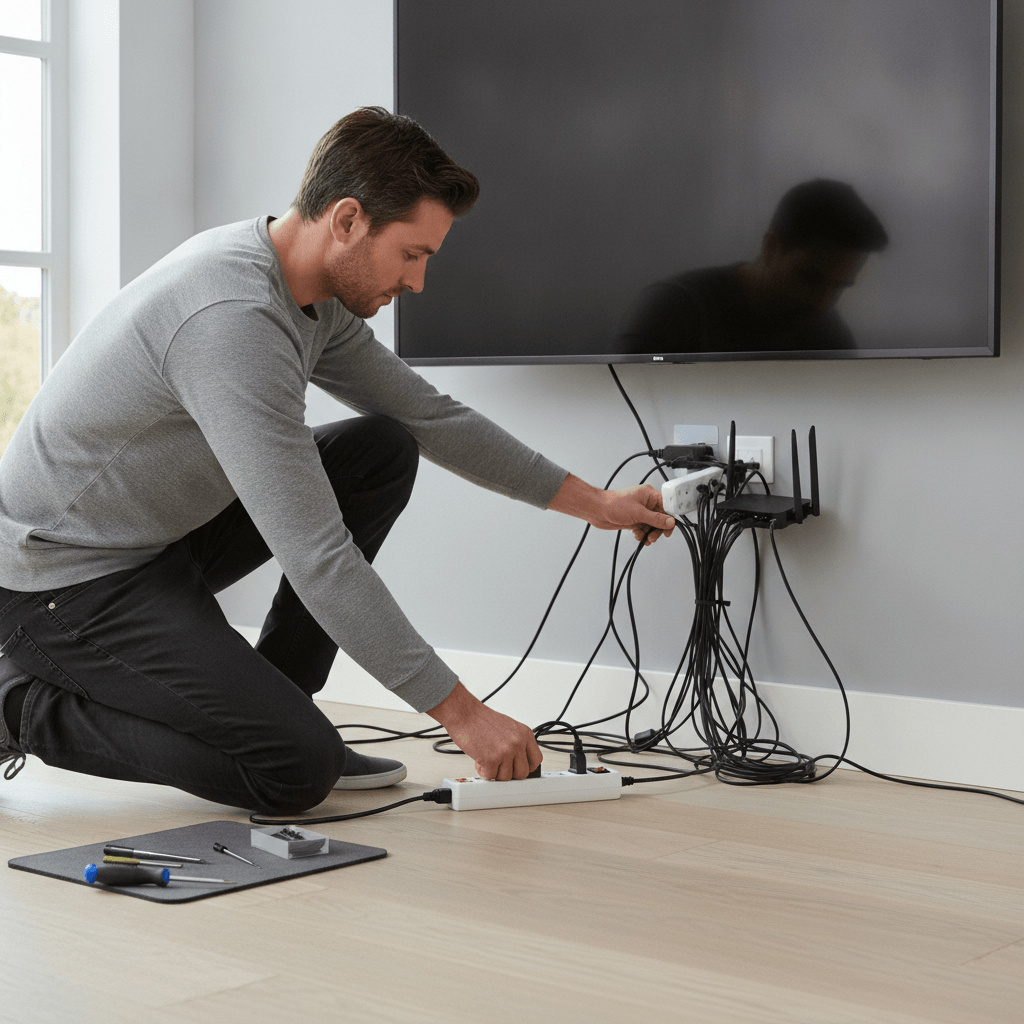
Protecting our electronics from electrical surges is a crucial step for any homeowner. I have seen firsthand the damage that a sudden power spike can cause to sensitive equipment. A simple lightning strike or even a surge from within your own home can fry expensive appliances and data. That is why understanding how to properly install surge protectors is so important.
Many people think that all surge protectors offer the same level of defense. This is not true. There is a big difference between a basic power strip and a true surge protector. We need to look at joule ratings, clamping voltage, and response time to pick the right devices. Knowing these details helps you make informed choices for your home’s electrical safety.
I want to share my knowledge to help you keep your valuable electronics safe. This guide will walk you through the essential steps and considerations for installing surge protectors correctly. We will cover everything from choosing the right device to understanding whole-home protection. Taking these measures today can save you a lot of headache and money tomorrow.
Understanding Surge Protectors and Their Importance
Surge protectors are vital components in any modern home or office. They act as a buffer between your valuable electronics and sudden spikes in electrical current. Without them, devices like televisions computers and refrigerators are vulnerable to damage. These electrical spikes known as surges can happen for many reasons.
External factors such as lightning strikes or issues with utility company grids are common causes. Internal surges also pose a threat. These can come from large appliances turning on and off like air conditioners or refrigerators. Every time these powerful machines activate they can send small surges through your home’s wiring. These smaller surges might not cause immediate damage but they can degrade your electronics over time. This slow degradation shortens the lifespan of your devices significantly.
I have observed countless cases where a surge protector made all the difference. One time a client had a major power outage in their area. When the power returned there was a huge surge. Their expensive home theater system was plugged into a quality surge protector and it came through completely unscathed. Their neighbor’s system which was only on a power strip was totally ruined. This story illustrates why investing in good protection matters.
A surge protector works by diverting excess voltage away from your electronics. It sends this extra current to the ground wire instead of letting it reach your devices. This protective action happens in milliseconds, much faster than any electronic component can react. It is a rapid and effective defense mechanism that safeguards your investments.
Types of Surge Protectors
When you are looking for surge protection you will find different types. Each one serves a specific purpose. Knowing the options helps you choose the right tools for your needs.
- Point-of-Use Surge Protectors: These are the most common type. They plug directly into a wall outlet and provide protection for devices plugged into them. These are often power strips with surge protection built in. They are great for individual electronics like computers entertainment systems or office equipment.
- Whole-Home Surge Protectors: These devices are installed directly at your electrical service panel. They protect all circuits in your home from external surges. This is a much more comprehensive solution. It defends everything connected to your home’s electrical system including appliances that are hardwired like dishwashers and ovens. I recommend whole-home protection as the first line of defense for every house.
- Dedicated Appliance Protectors: Some appliances need special attention. Large or expensive units like refrigerators or washing machines can benefit from surge protectors designed specifically for them. These usually plug directly into the wall outlet where the appliance is connected.
Choosing the right type depends on what you want to protect and the level of risk you face. Combining whole-home protection with point-of-use units offers the best defense.
Choosing the Right Surge Protector for Your Needs
Selecting the correct surge protector involves looking at a few key specifications. These numbers tell you how well the device performs its job. Ignoring them can lead to insufficient protection and still result in damaged electronics.
The most important specification is the joule rating. This number tells you how much energy the surge protector can absorb before it fails. A higher joule rating means more protection and a longer lifespan for the surge protector. For critical electronics like computers or home theater systems I recommend at least 2000 joules or more. For less sensitive items like lamps or phone chargers a lower joule rating might be acceptable but higher is always better.
Another important factor is the clamping voltage. This is the voltage level at which the surge protector starts to divert excess electricity. A lower clamping voltage means better protection because the device kicks in sooner. Look for a clamping voltage of 330 volts or less for optimal safety. Anything higher than 400 volts offers minimal protection for sensitive electronics.
The response time is also critical. This indicates how quickly the surge protector can react to a surge. The faster the response time the better. Most good surge protectors have a response time of less than one nanosecond. This rapid response is what saves your electronics from harm. It is crucial for preventing even the quickest spikes from reaching your devices.
Finally consider the number of outlets you need and any extra features. Some surge protectors include USB charging ports or protection for coaxial cables and Ethernet lines. These are great for protecting all aspects of your connected devices. I always advise checking for certification labels from organizations like UL (Underwriters Laboratories) to ensure the product meets safety standards.
Step-by-Step Guide to Installing Point-of-Use Surge Protectors
Installing point-of-use surge protectors is straightforward. It is a task most homeowners can easily complete. Following these steps ensures your devices are properly protected.
First identify the electronics you want to protect. Group them by location. This helps you figure out how many outlets you need on each surge protector. Do not overload a single surge protector with too many high-power devices.
Next ensure the surge protector is plugged directly into a wall outlet. Avoid plugging one surge protector into another. This is called daisy-chaining and it can reduce the effectiveness of the protection. It can also create a fire hazard.
- Step 1: Unpack your surge protector. Remove all packaging materials. Check for any damage or missing parts.
- Step 2: Locate a dedicated wall outlet. Choose an outlet that is easily accessible. Make sure it is not behind heavy furniture.
- Step 3: Plug the surge protector into the wall outlet. Push it firmly into place. Ensure it is snug and does not wiggle.
- Step 4: Plug your electronics into the surge protector. Insert the power cords from your devices into the surge protector’s outlets.
- Step 5: Verify the indicator lights. Most surge protectors have indicator lights. One usually shows that the unit is grounded and another confirms surge protection is active. If any light is off or red consult the manual or replace the unit.
I have found that organizing cords at this stage prevents future headaches. Use cable ties or sleeves to keep everything tidy. This also makes it easier to clean around the area and reduces tripping hazards. Regular checks of the indicator lights are also a good habit. This ensures your protection remains active.
Whole-Home Surge Protection Installation
Whole-home surge protection offers a superior level of defense for your entire electrical system. This type of installation is more complex than a simple plug-in unit. It usually requires professional expertise because it involves working directly with your home’s main electrical panel.
I always recommend having a qualified electrician handle whole-home surge protector installations. This ensures safety and proper functionality. An incorrect installation can be dangerous and could void your home’s electrical warranty. It is not a DIY project for most people. An electrician will connect the device to your main service panel where electricity enters your home. This way it catches surges before they even enter your internal wiring.
When we install a whole-home surge protector we make sure it is properly rated for your home’s electrical service. This means matching it to your home’s amperage and voltage. We also ensure it has a high joule rating and a low clamping voltage to offer robust protection. This type of protector usually comes with a warranty which provides extra peace of mind.
The benefits of whole-home protection are significant. It protects hardwired appliances like furnaces water heaters and washing machines. These items are often overlooked with point-of-use protectors. It also extends the lifespan of all your home’s electronics by guarding against smaller but constant internal surges. This comprehensive approach gives you the best defense available.
Choosing a reliable electrician for this task is very important. You want someone who understands local electrical codes and best practices. For comprehensive electrical services including professional surge protector installation you can trust Berkeys Electric to provide expert help. They can ensure your home is safely and efficiently protected from unexpected power spikes.
Common Mistakes to Avoid When Installing Surge Protectors
Even with good intentions mistakes can happen when setting up surge protection. Knowing these common errors helps you avoid them and keeps your home safer.
One major mistake is assuming all power strips are surge protectors. They are not. Many basic power strips only provide extra outlets. They offer no protection against surges. Always check the packaging for a joule rating and clear indication of surge protection. A power strip without surge protection is just a wire extension.
Another error is daisy-chaining surge protectors. This means plugging one surge protector into another. This practice can create a fire hazard and reduce the effectiveness of the protection. It also often violates electrical codes. Always plug surge protectors directly into a wall outlet.
I also see people using old or worn-out surge protectors. Surge protectors have a limited lifespan. They sacrifice themselves to protect your devices. Over time they absorb surges and their protective components degrade. Most manufacturers recommend replacing surge protectors every three to five years. If your surge protector has absorbed a major surge it should be replaced immediately. Many units have an indicator light that tells you when protection has expired.
Forgetting about other lines of entry is another common oversight. Surges can enter your home through more than just power outlets. They can come through telephone lines cable lines and Ethernet cables. If you have devices connected to these lines such as modems or DVRs you need surge protectors that include ports for these connections. This ensures all pathways are guarded.
Finally neglecting proper grounding can render a surge protector useless. A surge protector needs a good path to ground to divert excess voltage. If your home’s wiring is not properly grounded or if you have faulty outlets your surge protector cannot do its job effectively. Always confirm your electrical system is properly grounded for optimal performance.
Maintaining Your Surge Protection System
Proper maintenance of your surge protection system is just as important as the initial installation. It ensures continued safety for your electronics. You cannot just set it and forget it because these devices work hard to protect your home.
The first step in maintenance is regular inspection. I advise homeowners to check their surge protectors every six to twelve months. Look for any signs of wear and tear. This includes frayed cords cracked casings or loose outlets. Any physical damage means it is time for a replacement.
Pay close attention to the indicator lights on your surge protectors. Most modern units have a light that confirms surge protection is active. When this light goes out it signals that the internal components have degraded or failed. This means the unit can no longer protect against surges. Replace it immediately when you see this happen.
Consider the age of your surge protectors too. As I mentioned earlier they have a finite lifespan. Even without visible damage or extinguished indicator lights a surge protector that is five years old or more might not be offering full protection. It is a good practice to replace them proactively. This small investment can prevent much larger losses.
For whole-home surge protectors a professional check-up every few years is wise. An electrician can verify its functionality and ensure it is still providing optimal protection. They can also inspect your main electrical panel for any issues that might affect the surge protector’s performance. This ensures your entire home remains safe from power fluctuations.
Keep your surge protectors free of dust and debris. Dust can build up inside outlets and create electrical hazards. A quick wipe down with a dry cloth periodically helps maintain a clean and safe environment around your electronics. Remember that a well-maintained system is a reliable system for protecting your valuable investments.
The Long-Term Benefits of Correct Surge Protector Installation
Installing surge protectors correctly brings numerous long-term benefits to your home and your wallet. It is an investment that pays off by preventing costly damages and ensuring the longevity of your electronics. Many people underestimate the hidden costs of electrical surges until it is too late.
One of the most immediate benefits is the extended lifespan of your appliances and electronics. Constant minor surges can slowly degrade internal components over time. This leads to premature failure of devices. With proper surge protection your electronics are shielded from these invisible threats. This means you will not have to replace your expensive television or computer as often.
Another major advantage is avoiding data loss. For anyone working from home or storing important family memories on computers a power surge can be devastating. It can corrupt files or completely wipe out hard drives. A good surge protector provides a critical barrier against such data loss. This prevents immense frustration and potentially irreplaceable losses. I have seen clients lose years of work due to unprotected power surges.
Peace of mind is also a significant benefit. Knowing that your home is protected from unexpected power spikes brings a sense of security. You do not have to worry every time there is a lightning storm or a power flicker. This allows you to focus on other important things in your life. It removes one major household worry.
Finally homeowners insurance might not cover all types of electrical damage. While some policies offer protection it often comes with a deductible. Preventing the damage in the first place is always the best solution. Investing in proper surge protection reduces the likelihood of needing to file a claim. This saves you money in the long run and keeps your insurance premiums stable. It is a smart financial decision for any responsible homeowner.
Ensuring Your Home’s Electrical Safety with Proper Surge Protection
Installing surge protectors correctly is not just a suggestion it is a fundamental part of modern home electrical safety. I have shared how crucial these devices are for protecting your valuable electronics from the unpredictable nature of electrical surges. We have discussed everything from understanding the different types of protectors to choosing the right ones based on joule ratings and clamping voltages. We also covered the steps for point-of-use installation and the importance of professional help for whole-home systems. Avoiding common mistakes like daisy-chaining or using old units is vital for maintaining effective protection. Remember that regular inspection and timely replacement of surge protectors are key to a reliable defense system.
The long-term benefits extend far beyond simply preventing immediate damage. You are extending the life of your appliances safeguarding irreplaceable data and gaining invaluable peace of mind. Taking these proactive steps today will save you from potential headaches and significant financial costs tomorrow. Your home’s electrical integrity depends on smart choices and proper installation. Do not wait for a damaging surge to realize the importance of these protective measures. Take action now to secure your electronics and ensure a safer home environment for everyone.